

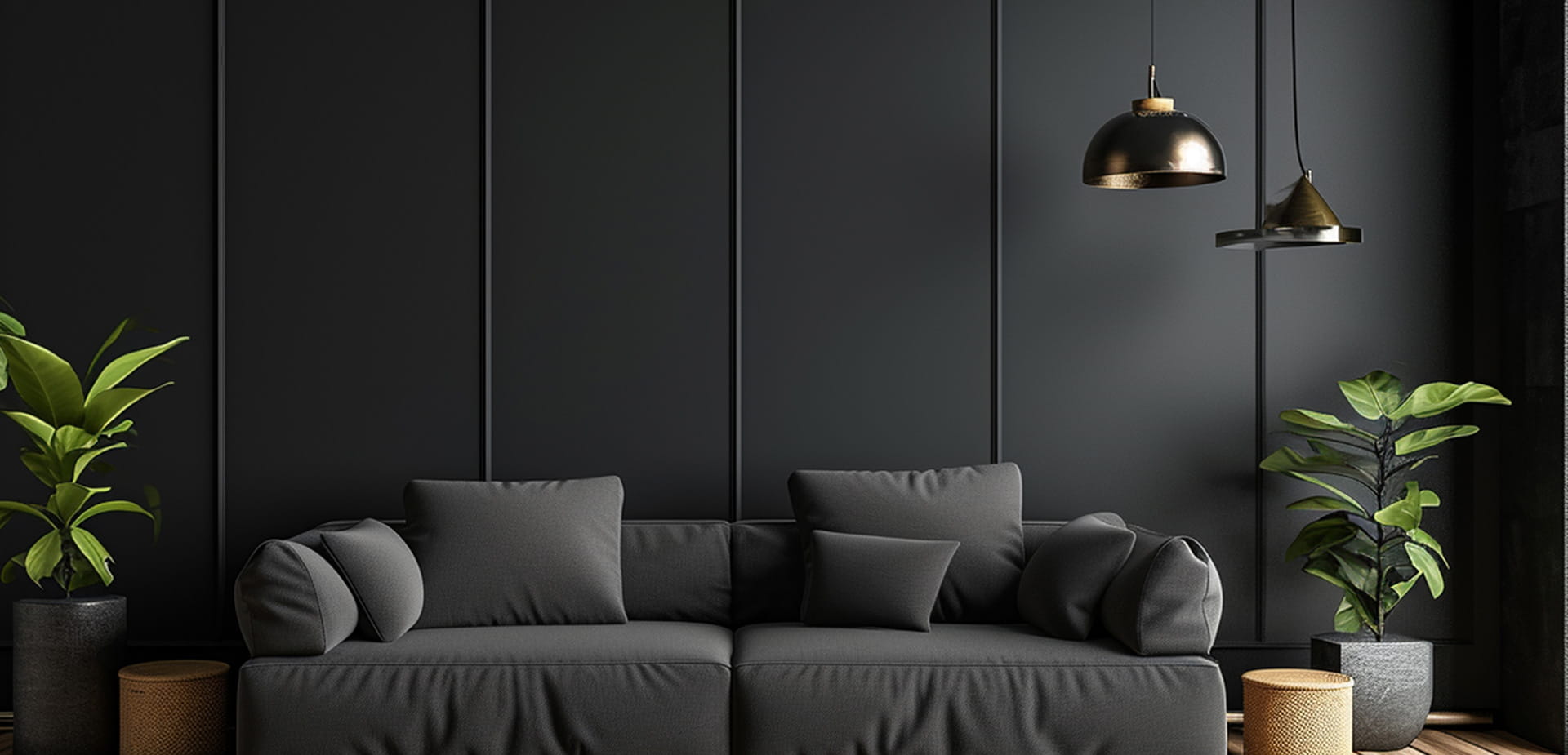
People often associate interior design with colours, furniture and decoration. However, an interior designer does much more. Interior design combines creativity with planning to make a space functional, comfortable and visually balanced.
From a home to an office, restaurant or commercial space, the designer considers how the space will be used and how different design elements can work together.
Planning the Space
One of the first parts of an interior design project is understanding the space.
Designers consider the layout, movement, furniture placement, storage and purpose of each area before developing the design.Designers call this process space planning. It can greatly improve how efficiently a space works.. A well-planned layout can make a smaller home feel more spacious, improve movement in an office or create better customer flow in a restaurant.
More Than Colours and Furniture
Colours and furniture are important, but they are only part of the design.
An interior designer may work with materials, flooring, wall finishes, lighting, furniture, textures and architectural details to create a consistent look. These elements also need to suit the practical requirements of the space.
For example, natural materials can add warmth to a home, while durable finishes may be more suitable for a busy commercial environment.
Designing for Different Spaces
The requirements of an interior change depending on its purpose:
-
- Residential interior design focuses on comfort, lifestyle, storage and personal preferences.
-
- Commercial interior design considers workplace efficiency, customer movement, branding and functionality.
-
- Hospitality interior design focuses strongly on atmosphere and experience — lighting, seating, materials and layout all shape how a space feels to guests.
-
- Healthcare and wellness spaces need their own approach, with attention to comfort, accessibility, functionality and easy maintenance.
From Concept to Finished Space
A designer can guide the entire process. This includes developing the initial concept, selecting materials and coordinating design details.
Depending on the project, this work may include floor plans, furniture layouts, lighting plans, material selections, colour palettes and detailed design specifications.
Coordination matters just as much during execution. Designers often work alongside contractors, suppliers and other professionals to make sure the planned design is translated accurately into the finished space — without the details getting lost along the way.
Why Professional Interior Design Matters
Good interior design is about bringing different elements together, not treating them separately.
A beautiful sofa may not suit the layout. An attractive material may not hold up to heavy use. A visually striking design can still fail if designers overlook movement and functionality.
This is where professional interior design adds real value. Careful planning helps create spaces where aesthetics, functionality and everyday use all work together — instead of competing with each other.
From homes to offices and restaurants, designers consider how people will use each space. They also plan how different design elements will work together.