
Choosing the right interior design style helps create a consistent look across a space. The style influences everything from colours and furniture to materials, lighting and décor.
Some styles focus on simplicity, while others use richer materials, decorative details or industrial elements. Understanding these differences makes it easier to choose a design direction for a home, office or commercial space.
Modern Interior Design
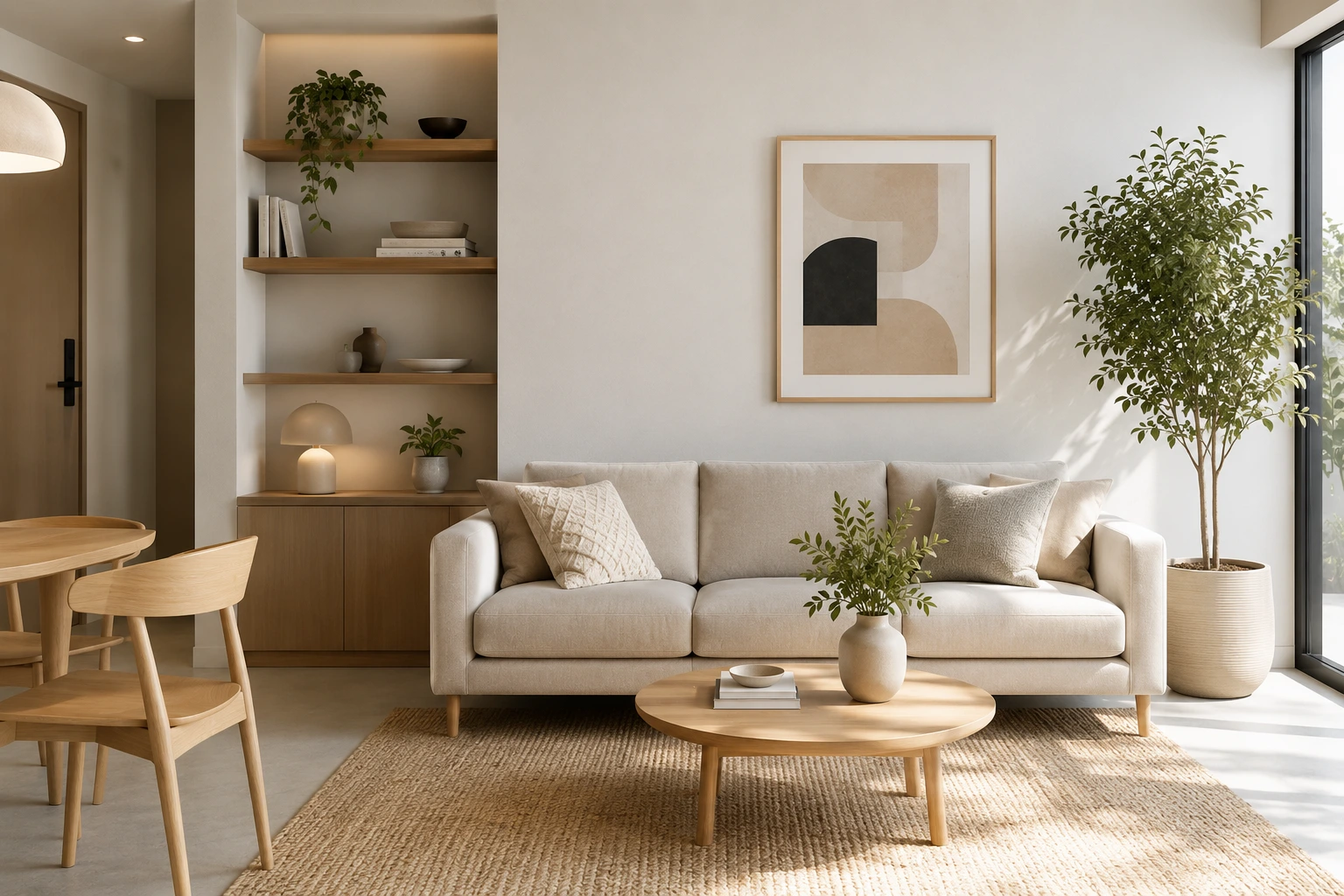
Modern interior design focuses on clean lines, practical layouts and a simple visual appearance. Neutral colours, functional furniture and materials such as wood, glass and metal are commonly used.
Modern interiors generally avoid unnecessary decoration and focus on creating a balanced space. This style works well for apartments, houses, offices and contemporary commercial interiors.
Contemporary Interior Design
Contemporary interior design is more flexible than modern design. It reflects current design preferences and can include curved furniture, mixed materials, neutral palettes and statement lighting.
Unlike a fixed design style, contemporary interiors can change with new materials, colours and furniture trends. The focus remains on creating a clean and comfortable environment.
Minimalist Interior Design
Minimalist interior design uses simplicity as its main principle. Furniture and décor are selected carefully, while unnecessary elements are reduced.
A minimalist interior often includes:
- Simple furniture
- Neutral colours
- Open layouts
- Clean surfaces
- Limited decorative elements
- Functional storage
Lighting and material selection are particularly important because fewer elements mean that each feature has a stronger visual impact.
Industrial Interior Design
Industrial interior design takes inspiration from warehouses and functional workspaces. Exposed materials, metal, concrete, brick, darker colours and practical furniture are common features.
Wood and softer materials can be combined with industrial elements to prevent the space from feeling too harsh. This style is often suitable for offices, cafés, restaurants and creative commercial spaces.
Traditional and Luxury Interior Design
Traditional interior design uses classic forms, detailed furniture, balanced layouts and decorative finishes. Richer colours and materials are often used to create a timeless appearance.
Luxury interior design focuses more on quality, detailing and material selection. Marble, premium wood, customised furniture, statement lighting and refined finishes can be combined to create an elegant interior.
Luxury does not necessarily mean using more decoration. Careful proportions, quality materials and detailed execution can create a sophisticated result while keeping the space balanced.
Choosing the Right Interior Design Style
The right style depends on the space, purpose and lifestyle. A residential interior may require a different approach from an office, restaurant or retail space.
It is also not necessary to follow one style completely. Modern furniture can work with traditional elements, natural materials can complement minimalist interiors, and industrial details can be softened with wood and fabrics.
This flexibility allows interior design to respond to the practical requirements of each project while maintaining a clear visual direction.
A good interior design style should therefore do more than look attractive. It should support the layout, functionality and overall experience of the space.
Whether it is residential interior design, commercial interior design or hospitality interior design, the most effective approach is one where style and functionality work together.